

Looking ahead, picture a holiday morning. The paper crinkles as thoughtful presents get unwrapped. Someone laughs in the kitchen as tasty desserts bake with appealing scents. Grandchildren have fun with toy trains, their gentle whistles echoing across the way. These beloved moments, seasonal sounds and precious memories are true gifts.
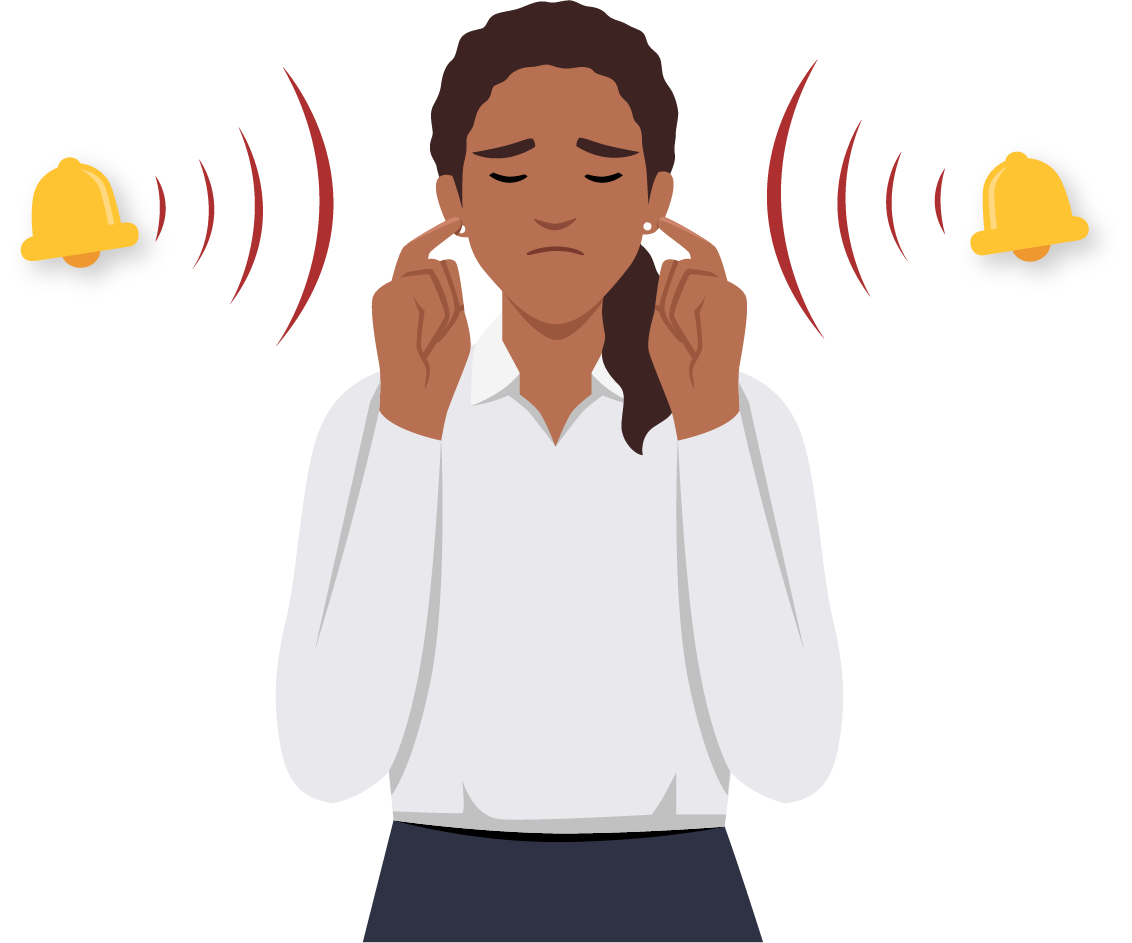
However, for 10’s of millions of Americans living with tinnitus, these fleeting instants compete with undesirable and unresolved soundtracks of persistent ringing or buzzing. Concerned patients try explaining how tinnitus steals simple joys of quiet moments or missed parts of holiday conversations because noisy tinnitus, combined with hearing loss, make it difficult to follow along.
Personalized hearing solutions don’t just make auditory stimulus louder. When your brain processes sound more effectively, it can significantly reduce the negative impacts of tinnitus. Imagine experiencing this holiday season with renewed clarity and confidence. Instead of focusing on ringing in the ears, immerse yourself in the warm chatter of family gatherings and holiday music, or delight in quiet moments by the fire
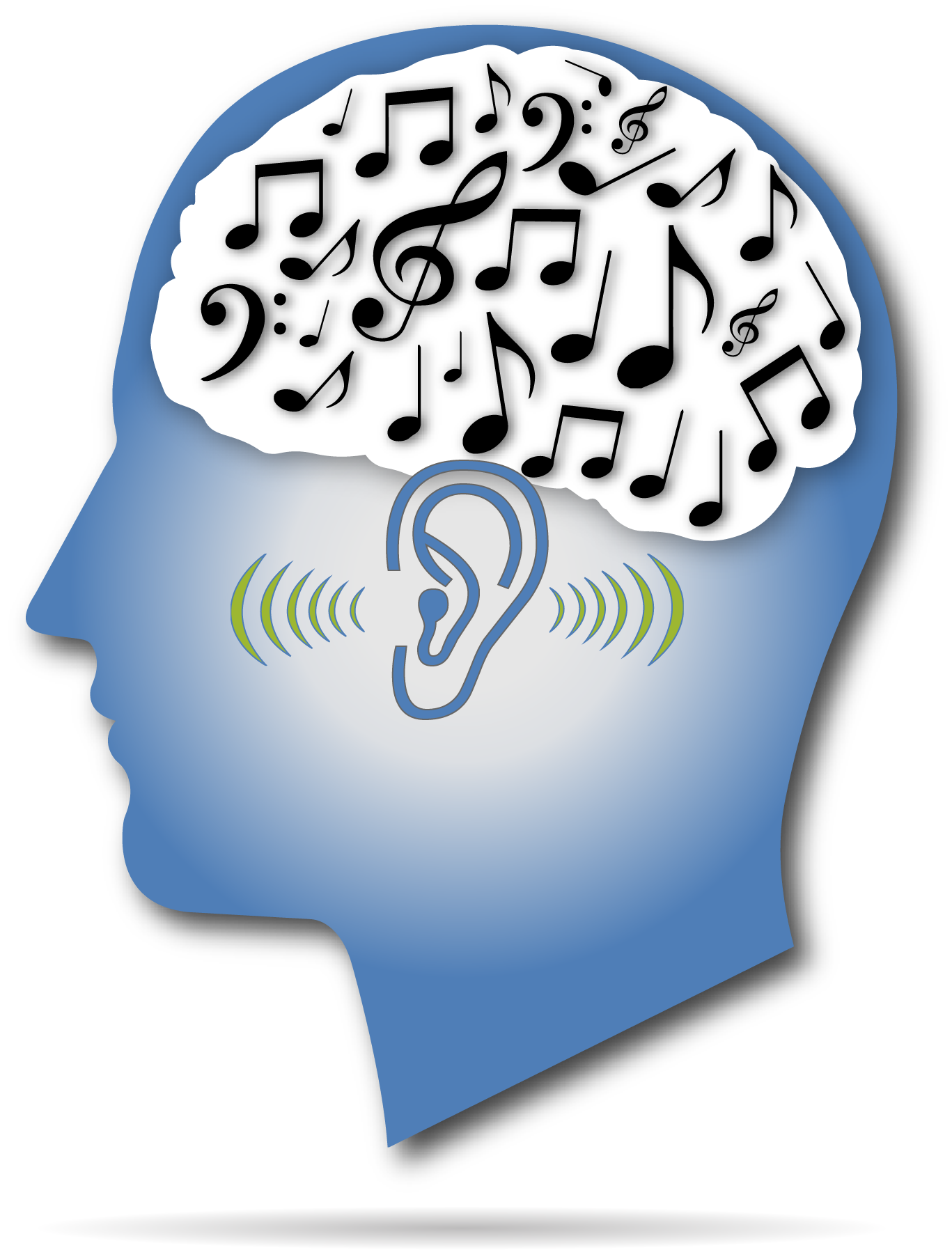
To better understand Tinnitus, think of your auditory system as a brain-operated sound orchestra. Each section, from strings to woodwinds to brass, signals different sound frequencies your auditory system can detect. Your inner ear’s tiny hair cells are like individual musicians, each playing specific notes in this complex musical arrangement.
When hearing loss occurs, it’s as if some of the orchestra’s musicians stopped playing. Your brain, acting like an overeager conductor, tries compensating for missing instruments by turning up the remaining players’ volumes. This overreaction can trigger its own internal sound, tinnitus, which only that person can hear. Just as conductors need all musicians present for music to sound balanced, your brain performs best when gaining input across frequencies.
Modern hearing aids are skilled sound engineers, restoring balance to your personal orchestra by precisely amplifying absent frequencies. When “missing musicians” complete the ensemble, our brain reduces compensatory triggers, potentially easing unwanted tinnitus “feedback.”
How can you Take Control of Tinnitus?
Just as making orchestral music requires various sounds from all instruments, the ability to effectively hear and process a wide array of sound frequencies can reduce or mask bothersome tinnitus. Evidence shows that reintroducing previously difficult to hear sounds can help reduce our brain’s need to “overcompensate,” potentially decreasing tinnitus awareness. In addition, modern hearing aids often include specific tinnitus management features which may be particularly helpful during quiet moments when tinnitus might be more noticeable.
If you or a loved one face tinnitus challenges, now is the time to take control. In close coordination with other healthcare providers, we will prescribe personalized treatment plans that, with continuity of care, may reduce negative impacts on daily living. You deserve to know about therapeutic options and mindful methods to reduce symptom severity, along with psychological stress.
Earlier intervention is crucial and our trusted advice will provide a renewed sense of hope that more daily sounds can be precious, not bothersome. Please see us soon to hear the facts about reputable treatment options. While there are no magic cures, better hearing and healthy choices will serve you well.