

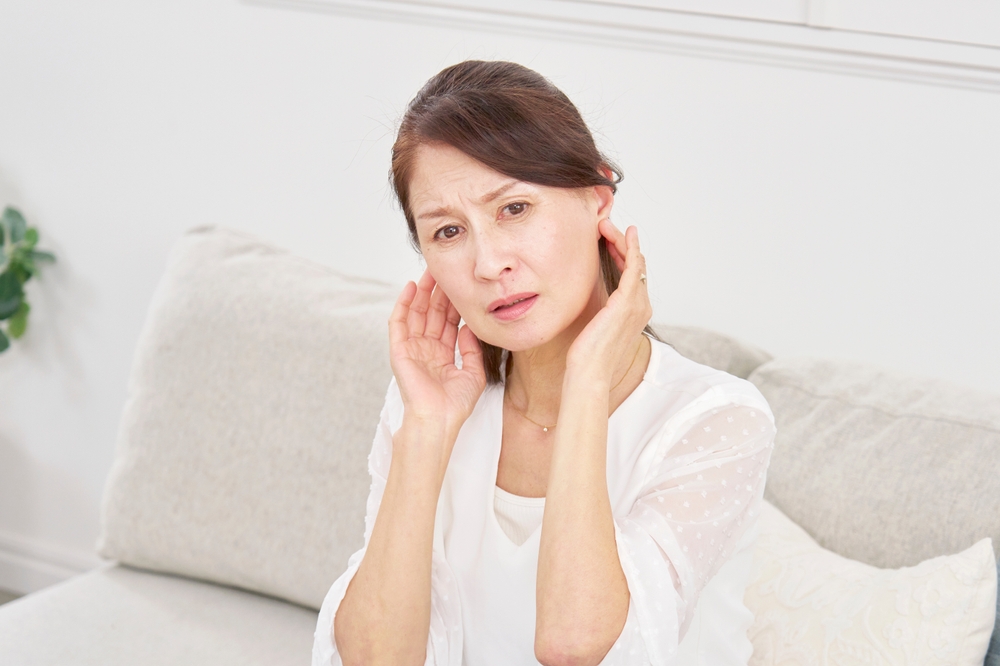
Waking up one morning and realizing you have lost your hearing is a frightening experience for anyone. Sudden hearing loss feels sharp and confusing, especially when it occurs without advanced discomfort or warning. Though certain triggers are transient and simple to resolve, others necessitate urgent clinical intervention.
Learning why hearing fails rapidly and prioritizing immediate care is imperative for long-term health. Throughout this guide, we break down the nature of sudden hearing loss, its likely origins, and the requirements for professional consultation.
What Is Sudden Hearing Loss?
We characterize sudden hearing loss as a sharp drop in auditory sensitivity that occurs over a few hours or up to three days. The condition frequently strikes a single ear, though two-sided loss is possible in less common cases. Presentations include dullness of sound, persistent ringing, a feeling of pressure, or an inability to follow conversation.
Sudden Sensorineural Hearing Loss (SSHL)
Sudden sensorineural hearing loss is a critical causes to evaluate.
This auditory issue arises from irregularity within the inner ear, the auditory nerve, or the brain’s processing centers. The origin is often idiopathic, though medical professionals identify several probable contributing elements:
- Vascular limitations affecting auditory nerve function
- Systemic inflammatory catalysts or autoimmune reactions
- Infection-based auditory damage
- Neurological factors
Clinical professionals classify SSHL as an emergency because immediate therapy improves the chance of a full recovery.
Infection-Based Auditory Loss
Several viruses have the capacity to damage hearing long-term by triggering inflammation in the auditory nerve.
Frequent viral triggers linked to sudden hearing impairment are:
- Viral cold and nasal infections
- Influenza
- Herpes viruses
- Secondary hearing effects following a COVID-19 infection
Hearing changes may appear concurrent with or following an illness and may be accompanied by dizziness or ear fullness.
Impact and Auditory Trauma
Traumatic events such as concussions, barotrauma, or high-decibel exposure can compromise the ear’s fragile anatomy.
Common drivers of trauma-induced hearing loss involve:
- Acute head strikes and concussive events
- Rapid pressure changes such as barotrauma
- Acute loud sound exposure
- Physical displacement of inner ear fluids
Don’t dismiss minor trauma, as fast hearing changes post-injury often signal underlying damage.
Earwax Buildup or Blockage
Impacted earwax, while simply resolved, can mimic the symptoms of critical sudden hearing conditions.
Symptoms of blocked wax typically:
- Manifest with surprising speed
- Sensation of fullness or pressure
- Show a distinct one-sided bias
- Subside once the canal is properly cleared
Crucially, you should not assume wax is the cause, as the symptoms of nerve loss often overlap with a simple blockage. Consequently, an expert audiology assessment is essential.
Additional Factors in Rapid Auditory Decline
Secondary factors to sudden hearing loss may include:
- Adverse effects from specific pharmaceuticals
- Circulatory system disruptions
- Immune-mediated inner ear disorders
- Acoustic neuromas or related rare tumors
Undergoing a full audiological workup is the only way to accurately identify or dismiss these factors.
The Time-Sensitive Nature of Treating Hearing Loss
One of the most important messages around sudden hearing loss is don’t wait and see.
Seeking a swift clinical assessment allows you to:
- Uncover treatable factors behind the hearing decline
- Maximize the potential impact of medical therapies
- Mitigate the risk of lasting auditory deterioration
- Reduce long-term communication challenges
Detailed hearing tests are the primary tool for categorizing the impairment and establishing a recovery plan.
When to Seek Immediate Help for Sudden Hearing Loss
You should seek prompt medical or audiology care if you experience:
- Abrupt hearing loss in one or both ears
- Hearing impairment coinciding with physical instability
- The rapid onset of ringing or aural fullness
- Loss of hearing that manifests after a medical event or head impact
Partial recovery of audition does not eliminate the need for a thorough clinical investigation.
How Hearing Tests Provide Immediate Solutions
A professional test provides an immediate answer as to if the impairment is:
- Mechanical (related to blockage or middle ear issues)
- Nerve-based or related to inner ear dysfunction
- Temporary or potentially permanent
Rapid testing is the foundation for timely medical action and superior long-term results.
Final Thoughts on Addressing Abrupt Hearing Loss
It is normal to feel alarmed by sudden deafness, but immediate professional help offers the best chance for success.
By prioritizing a professional hearing check-up, you protect both your auditory function and your mental well-being. We’re here for you if you experience sudden hearing loss: Call our care team as soon as possible at our office for the help you need.