

Muffled hearing can affect every facet of your life, leaving you feeling confused and isolated from the world around you. It is common to assume that muted sound indicates chronic hearing impairment, but the issue is often just a resolvable cerumen obstruction.
Distinguishing between a wax impaction and actual hearing impairment is crucial for identifying if you need a simple cleaning or a formal diagnostic exam. In the event you are experiencing dull hearing, remain calm. A professional evaluation will deliver the final answer, but the following resource outlines the primary differences between wax-related issues and lasting loss.
What Earwax Buildup Feels Like
Cerumen is actually a beneficial, natural secretion intended to shield the ear canal from dust and foreign debris. Issues arise when too much wax builds up or becomes impacted.
Frequent indicators of earwax buildup include:
- Progressive or abrupt muffled hearing
- A feeling of ear pressure or a “plugged” sense
- Localized sensitivity or localized aching in the ear
- Buzzing in the ear (ringing)
- Moments of sharper hearing after a jaw stretch or chewing
Because obstructions are tangible, they commonly affect just a single ear at a point rather than both uniformly. Thankfully, extracting the obstruction typically resolves the symptoms immediately.
How Hearing Impairment Usually Manifests
Hearing loss, especially age-related or trauma-based hearing loss, tends to develop gradually and doesn’t improve when the canal is cleared.
Common symptoms of permanent auditory loss consist of:
- Issues with speech intelligibility in crowded or noisy locations
- Constantly requesting people to restate themselves
- A habit to increase sound volume significantly to compensate for hearing loss
- Difficulty hearing high-pitched sounds
- Bilateral hearing changes that impact both ear canals simultaneously
Unlike earwax buildup, auditory impairment doesn’t usually induce a feeling of blockage or fullness.
Comparing Wax Buildup and Auditory Loss
By analyzing the timing and particular symptoms, you can frequently determine which issue is affecting you:
- Timing: Earwax issues often appear suddenly; auditory impairment develops slowly
- Sustainability: Clogs are a fast fix, while nerve loss needs ongoing management
- Feelings: Tactile “plugging” leads to cerumen, while the struggle to differentiate sounds points to impairment
- Sides: Unilateral dull sound points to wax, while both sides point to hearing loss
The Dangers of DIY Ear Cleaning
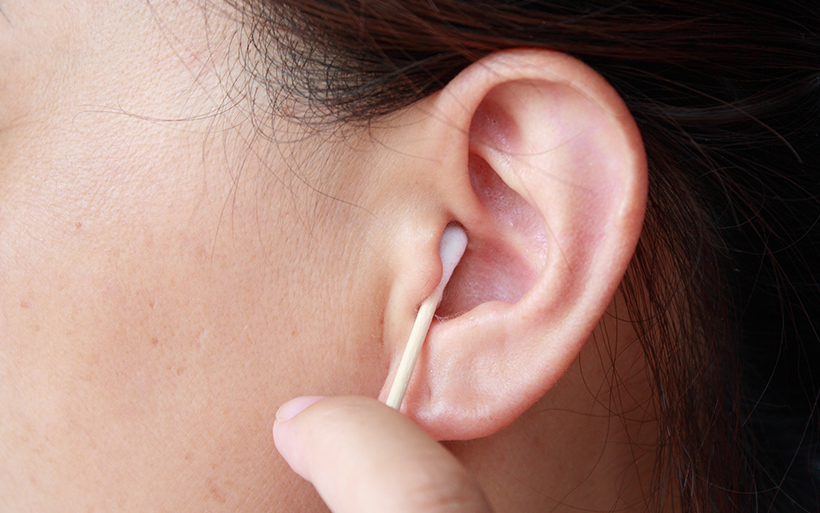
Numerous people make the error of trying to extract a perceived obstruction themselves using probes or home items. Using foreign objects commonly shoves the plug further into the ear, heightening the risk of injury.
Clinical research shows that DIY removal often results in unintended injury or more difficult-to-treat impactions.
Delaying a clinical check-up for real hearing loss can result in losing out on solutions that shield your future mental and social well-being.
Ways a Clinical Evaluation Helps
A quick clinical exam is the only way to verify if cerumen is actually the source of your dull auditory issues.
If wax is found, safe extraction often resolves symptoms on the spot.
When the canal is clear but sound is still muffled, a clinical assessment is necessary to evaluate your hearing integrity.
The National Institute on Deafness and Other Communication Disorders (NIDCD) advises prompt evaluation anytime shifts in hearing interfere with your everyday routine.
Final Points on Earwax and Hearing Wellness
Feeling as if sounds are dull doesn’t necessarily indicate a lasting loss.
In numerous instances, earwax buildup is the cause, and it’s extremely treatable.
Seeking professional attention guarantees you locate the specific source and the proper solution for your hearing requirements.
Ultimately, an audiology consultation is the single reliable way to differentiate between a temporary blockage and a lasting shift.
Addressing the issue now halts the anxiety of the uncertainty and places you on the track to better auditory function.
If you’ve noticed a change in your hearing, reach out to our office for a formal assessment immediately.