

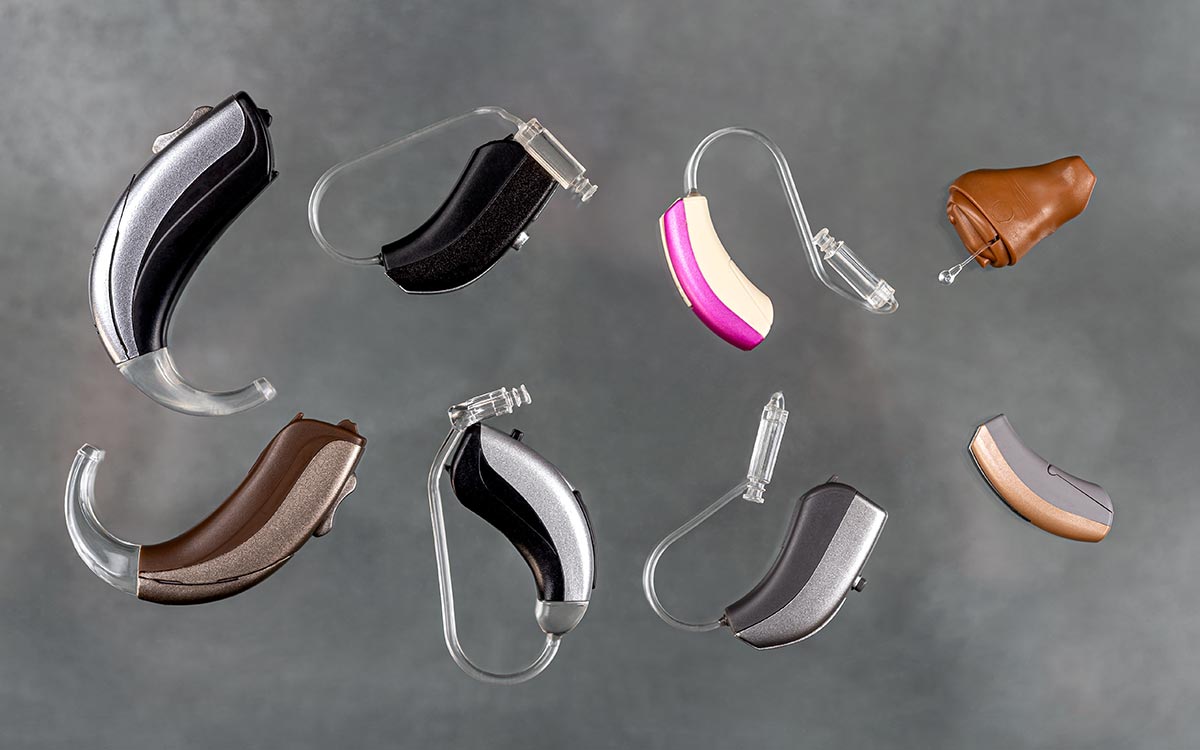
With so many options in terms of size, style, and technology, the process of picking an instrument can feel quite intense. Rest assured that there is a hearing device customized to every lifestyle and degree of impairment. It’s all about discovering which model fits perfectly with your specific requirements.
Understanding the differences among the most common types of hearing aids can help you feel more informed and confident as you explore your options. We are going to analyze the primary styles available today to help you understand what sets each option apart.
ITC (In-the-Canal) Hearing Solutions
The Definition:
ITC models are custom-fitted to sit within the ear canal, though an inconspicuous part of the shell remains visible in the ear’s outer portion.
The Advantages:
- Less apparent than conventional full-size models
- Specifically shaped to the wearer’s ear for an optimal fit
- Appropriate for mild to moderate hearing loss
First-time wearers often gravitate toward ITC aids because they strike an ideal compromise between size and performance.
IIC (Invisible-in-Canal) Technology
Core Traits:
These are the tiniest custom-made units on the market today. This style rests deep in the ear for an entirely covert appearance.
Why they are popular:
- The best option for users prioritizing appearance
- Provides realistic audio because of where the device sits
- So light and small that users frequently forget they are wearing them
Due to their small build, these aids are generally recommended for low-to-mid-range hearing loss and users who want total invisibility.
In-the-Ear (ITE) Hearing Aids
The Basics:
ITE hearing aids occupy either the whole outer ear (full-shell) or the lower portion (half-shell). The shell is specially formed to the specific contours of your individual ear.
The Advantages:
- A slightly larger casing houses advanced tech and more powerful batteries
- Provides an easier experience for those who struggle with tiny accessories
- Suitable for mild to profound hearing loss
Many people prefer ITE devices because they offer an integrated, self-contained design that doesn’t hook over the ear.
BTE (Behind-the-Ear) Essentials
Operation:
Positioned securely on the back of the ear, BTE models sit on the outer ridge. Audio is delivered through an ultra-fine tube or a personalized mold in the canal.
Key Advantages:
- Offers an enduring and flexible solution for various environments
- Can be programmed to assist users with everything from mild to profound loss
- Large enough to include sophisticated software and modern rechargeable technology
BTE devices are an excellent choice for individuals seeking reliability, ease of use, and strong amplification.
Receiver-in-Canal (RIC) Hearing Aids
Component Layout:
While they resemble BTE units, RIC aids set the speaker directly in the canal for improved sound delivery.
Why users select them:
- Minimizes the “plugged up” feeling for more pure hearing
- Users appreciate the slim profile and comfortable fit for all-day use
- Excellent for multiple levels of hearing loss
RIC devices are one of today’s most popular models, thanks to their blend of comfort, aesthetics, and performance.
Long-Term “Set and Forget” Devices
Operational Info:
These devices are inserted far in the ear canal by a hearing professional and can stay in place for several weeks at a time.
Why individuals select them:
- Zero routine insertion or removal
- Offers an entirely discreet solution for hearing health
- Engineered to be worn throughout everyday activities, including sleeping and exercising
For a “hands-off” approach to hearing assistance, extended-wear technology is the top recommendation.
Smart Hearing Aids with Bluetooth
What they represent:
Auditory aids with wireless connectivity that sync with smartphones, tablets, computers, and sometimes TVs.
Digital Benefits:
- Turn your hearing aids into cordless headphones for all your favorite audio
- Allows for instant, subtle adjustments to your hearing aids through digital software
- Enhances everyday life by making technology engagement seamless and clear
Bluetooth options are available across many styles, including RIC, BTE, and some ITC models.
Understanding Middle-Ear Implant Technology
What they represent:
An implantable method that works by shaking the tiny bones inside the ear to provide amplified audio.
Why people choose them:
- An accessible route for patients who are unable to wear standard acoustic devices
- Solves the issue of canal discomfort caused by regular hearing aids
Middle-ear implants are typically recommended only after a full evaluation by an ENT specialist.
Finding the Hearing Aid That Fits Your Life
Selecting an instrument is a personal journey that takes into account your hearing severity, lifestyle habits, and visual preferences. A hearing professional is your best resource for evaluating these options and finding an ideal choice for your daily routine.
Begin your journey to better sound by setting up a hearing test now. This simple step is the basis for improved hearing and better connections with those around you.
Sources:
https://www.mayoclinic.org/diseases-conditions/hearing-loss/in-depth/hearing-aids/art-
20044116
https://www.hearinglife.com/hearing-aids/types
https://www.nidcd.nih.gov/health/hearing-aids