
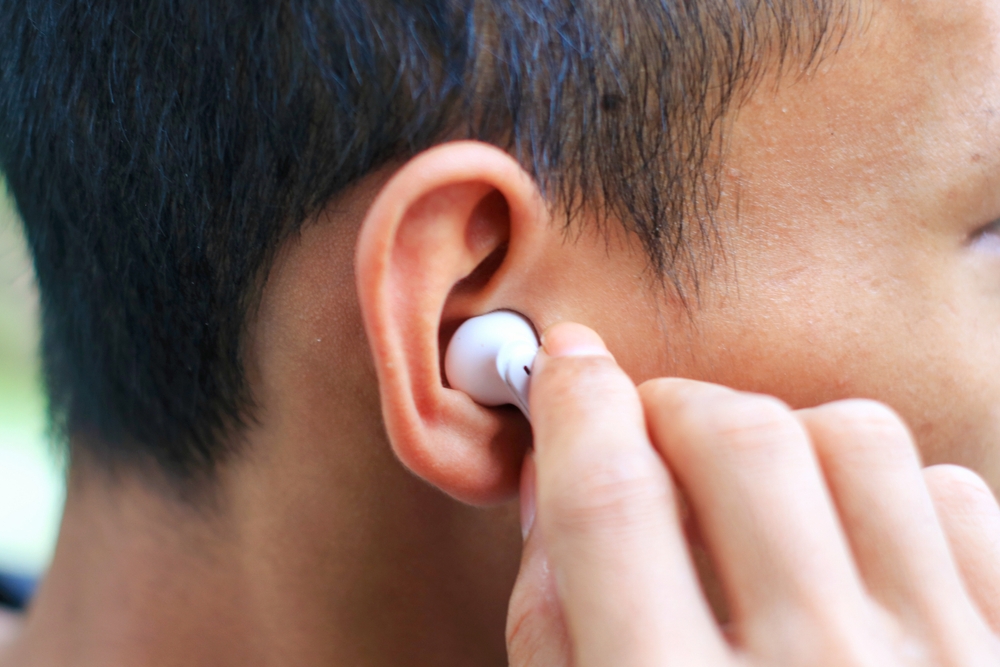
Rarely do we see a young adult in public without an earbud in their ears. Even with their larger footprint, headphones remain a popular choice for teenagers looking to disconnect from the world. Musical enjoyment knows no age limit, though the younger generation has integrated it more deeply into their daily transitions. Does the immediate physical closeness of these transducers to our ears result in measurable hearing loss? Clinically speaking, the hardware is not the culprit; rather, the risk lies in human behavior and exposure levels.
The Biological Threshold of Auditory Exposure
Listening to music can be relaxing, soothe our souls, or wind us up. Much depends on the rhythm and volume of the content being consumed. Using a headphone or an earbud is a polite way to listen without disturbing others. Most individuals view this as a positive etiquette, especially within the confined spaces of a bus or train.
The essential inquiry remains: at what decibel level and timeframe does listening become dangerous? The truth is, loud noise in general is damaging to your ears and your hearing. Sustained exposure to extreme volumes can result in irreversible trauma to the auditory nerve. The onset of **Noise-Induced Hearing Loss** is insidious, meaning significant damage often precedes clinical awareness.
The Key Dangers of Headphones and Earbuds
High volume stands as the most significant threat to the preservation of hearing sensitivity. Nevertheless, the timeframe of the sound exposure is just as critical a factor as the intensity itself.
- According to the NIH, maintaining a threshold below 70 dB ensures safety, even during extended listening periods.
- The rate of auditory trauma increases exponentially as the decibel level rises.
- Audiologists recommend the 60/60 rule: stay below 60% of max volume and limit sessions to one hour.
- Taking control of your volume slider and managing your time is the best defense against hearing loss.
Warning Signs of Hearing Loss
If you notice muffled speech, struggle with background noise, experience **tinnitus**, or constantly require others to speak up, a professional evaluation is necessary.
If you suspect a decline in your hearing, contact our office to begin a professional diagnostic process.