
Hearing loss is more common than most of us might realize, but misinformation continues to prevent many people from seeking proper care. Proactive management of hearing loss ensures the best possible outcomes for auditory preservation. Accepting hearing myths as fact typically results in late-stage intervention and diminished communicative function.
Identifying the facts behind auditory health allows you to navigate clinical options with technical certainty. Let us explore seven widespread myths about hearing and the medical facts that provide clarity.
Myth One: Auditory Decline is Strictly Age-Related
While sensory shifts are frequent in seniors, hearing loss remains a cross-generational health concern. Factors such as acoustic trauma, genetic markers, ototoxic drugs, and viral infections trigger hearing issues in youth.
Labeling hearing loss as a senior-only problem often causes younger patients to overlook critical early warning signs.
Myth: Hearing Perception Rules Out Impairment
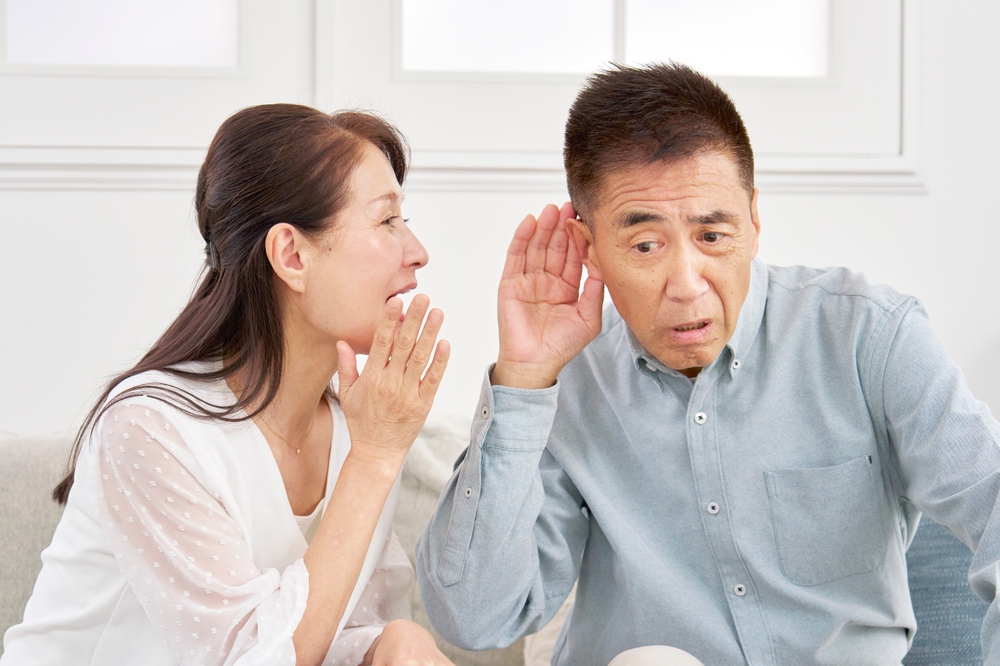
The presence of hearing loss does not always manifest as total profound deafness. Individuals with moderate deficits may hear volume but lack the clarity required for word discrimination. The space between normal hearing and total impairment is populated by various degrees of clinical challenges.
Early symptoms frequently manifest as “cocktail party effect” struggles or a need for constant clarification from speakers. Such symptoms are early clinical indicators that the auditory processing system is under stress.
Myth Three: The Misconception of Minor Impact
The impact of aural decline reaches into the cognitive and emotional well-being of the patient. Data shows that failing to treat hearing issues can lead to brain atrophy and emotional health challenges.
Seeking early treatment safeguards your social connections and your long-term neurological function.
4. Myth: Hearing Aids Make Your Hearing Worse
Some people believe that wearing hearing aids will cause their hearing to deteriorate more quickly, but that is not true.
Digital hearing aids are designed to protect and support the ear, not injure it. These devices use precision digital processing to target frequencies identified in your hearing test. Consistent use of hearing aids maintains the neural pathways required for clear sound interpretation.
5. Myth: Hearing Aids Are Large and Obvious
Modern hearing technology has advanced significantly. Modern hardware has reached a peak of efficiency, offering discrete aesthetics with high-fidelity sound. Patients can now choose custom-molded options that sit deep within the ear canal for total discretion.
In addition to their size, modern hearing aids often include beneficial features like background noise reduction, Bluetooth connectivity, and automatic sound adjustments.
Myth Six: The Fallacy of “Wait and See” for Mild Loss
Even mild hearing loss can impact communication and daily life. Addressing loss early eliminates listening fatigue and protects against chronic mental exhaustion.
Patients who pursue early help experience a much smoother transition to using hearing technology.
Myth: One-Size-Fits-All Hearing Solutions Work for Everyone
While some over-the-counter hearing devices may provide basic amplification, they are not customized to your specific hearing profile. Professional diagnostics ensure your hearing solution is “tuned” to your specific environment and biology.
The difference between “generic” and “custom” is measured in both physical comfort and speech understanding.
Your Path to Clarity: Rejecting Common Hearing Fallacies
Any change in hearing can feel scary, which is why many people brush it off and delay seeking care. Auditory fallacies act as roadblocks to the treatment that could change your life today. The good news is that hearing evaluations are simple, painless, and highly informative.
If your ears feel “different,” scheduling a formal evaluation is the responsible next step for your health. Prompt action protects your ability to engage with the world and maintains your mental well-being.
If you want to learn more about your hearing health or schedule a hearing evaluation, our team is here to help! Contact our office today to schedule your personalized hearing consultation.